Dental implant guides
Clear, practical guides for Essex patients comparing implant costs, treatment routes, suitability and long-term care before booking a consultation.
Cost and finance
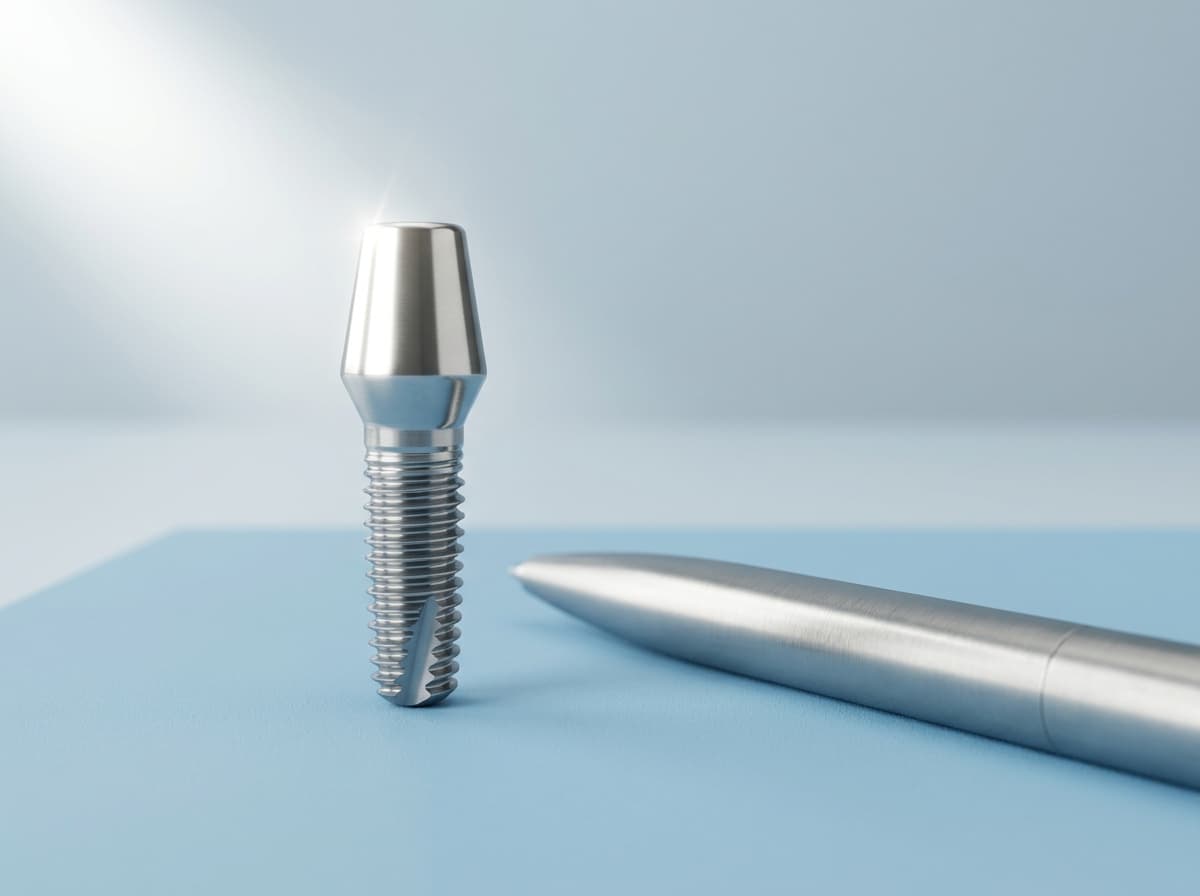
Dental Implant Cost in Essex
Use this guide to sense-check implant quotes before you book. It explains which fees should be itemised, where extra costs usually appear, and how to compare Essex clinicians without being misled by a low headline price.
Choosing a type
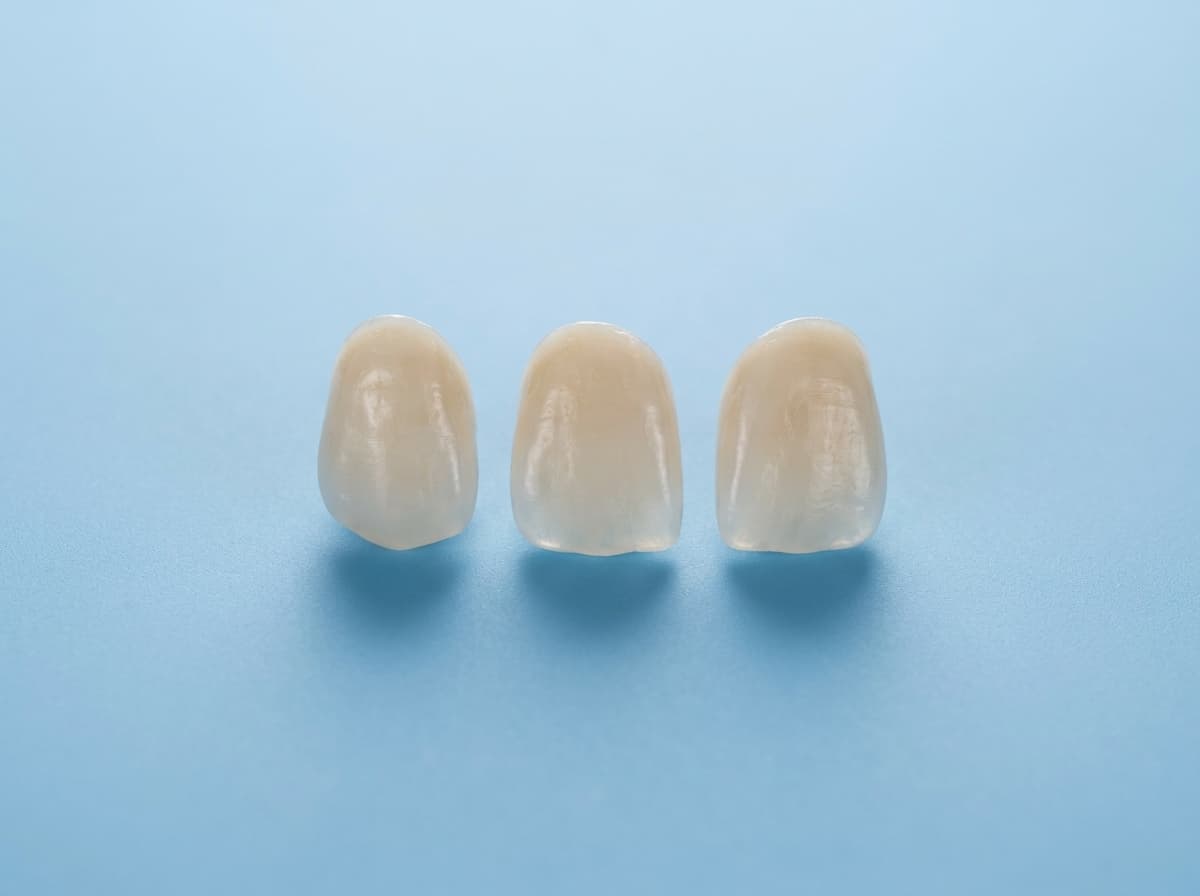
Types of Dental Implants
Most UK implant treatment uses standard endosteal titanium implants restored in one of three ways: a single crown for one tooth, an implant-supported bridge for several teeth, or an implant-retained denture for a whole arch. The right type depends on how many teeth are missing, the bone available, and your budget.
What to expect
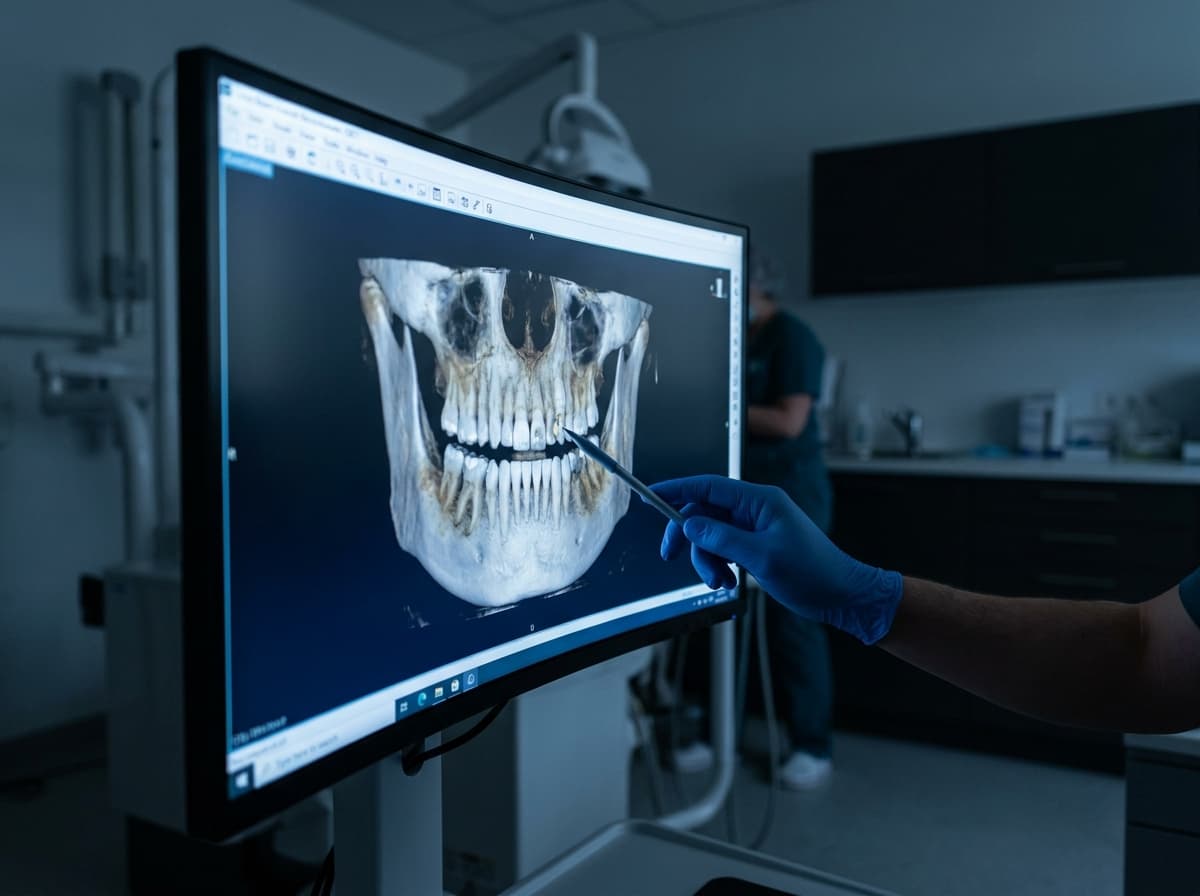
The Dental Implant Process and Timeline
Use this guide to understand what happens before, during and after implant surgery. It separates the short surgical appointment from the longer planning and healing stages, so you know which delays are normal and which questions to ask before treatment starts.
Foundation procedures
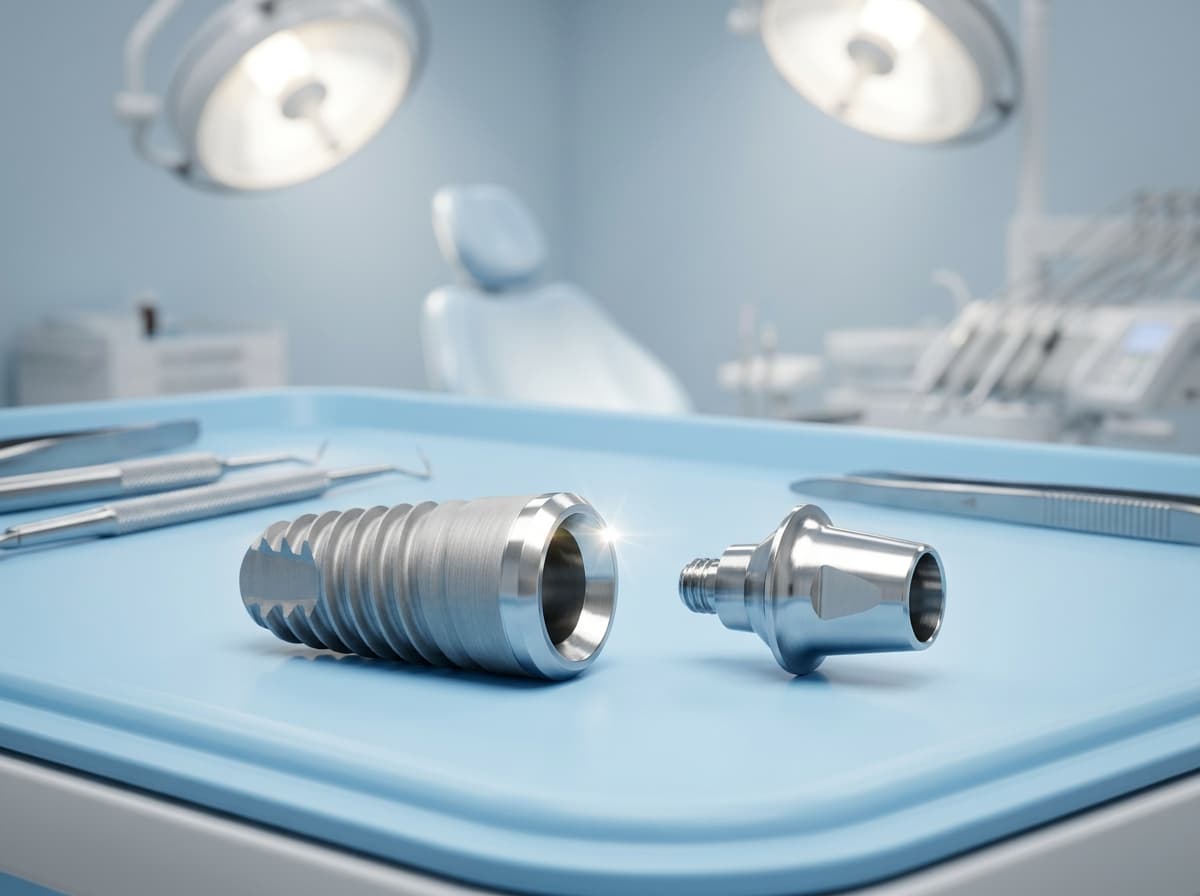
Bone Grafting and Sinus Lifts for Implants
Use this guide to understand why some implant plans need extra bone work before placement. It explains the scan findings, graft types, sinus-lift options, healing time and cost questions to clarify before you accept a treatment plan.
Whole-arch restoration
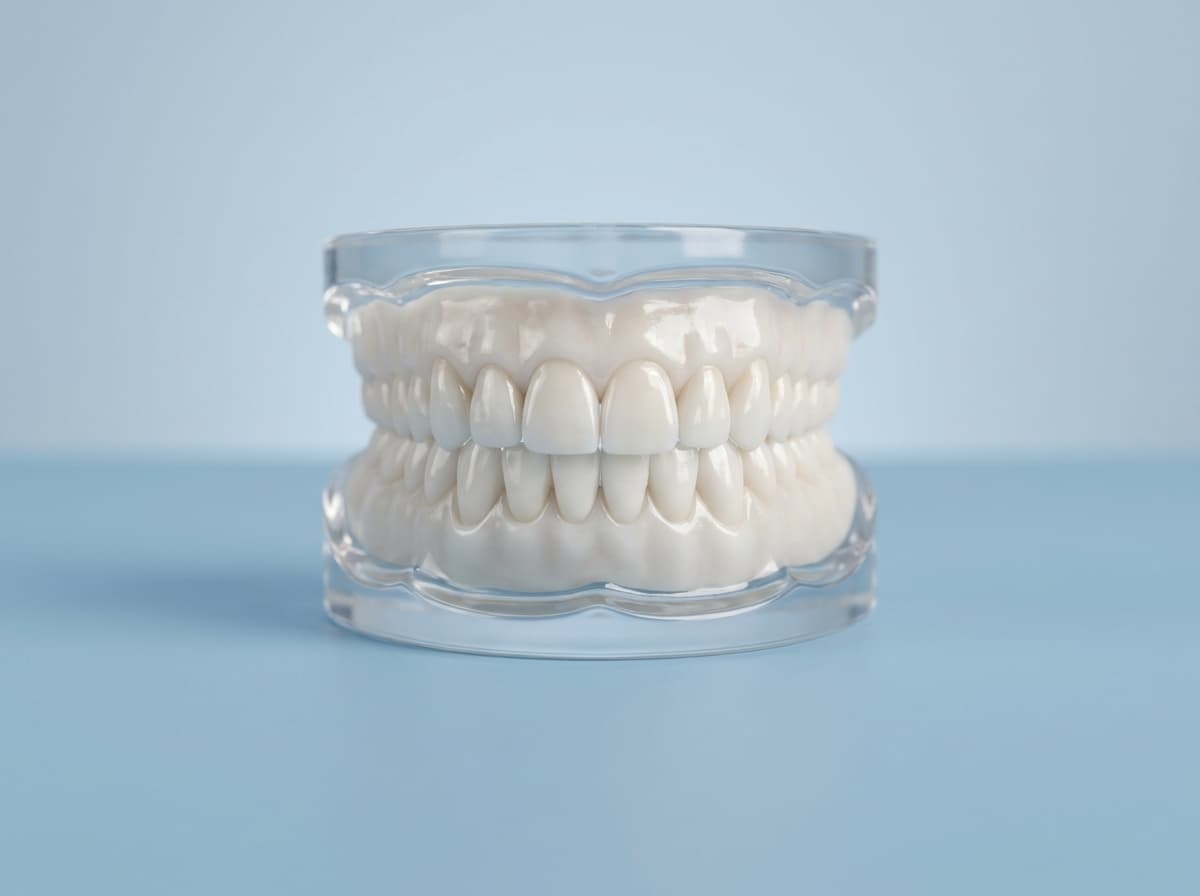
Full-Arch and All-on-4 Implants
Use this guide to understand what full-arch treatment actually includes: the surgical day, the temporary bridge, the final bridge, the difference between four and six implants, and the maintenance needed after the teeth are fitted.
Comparing options
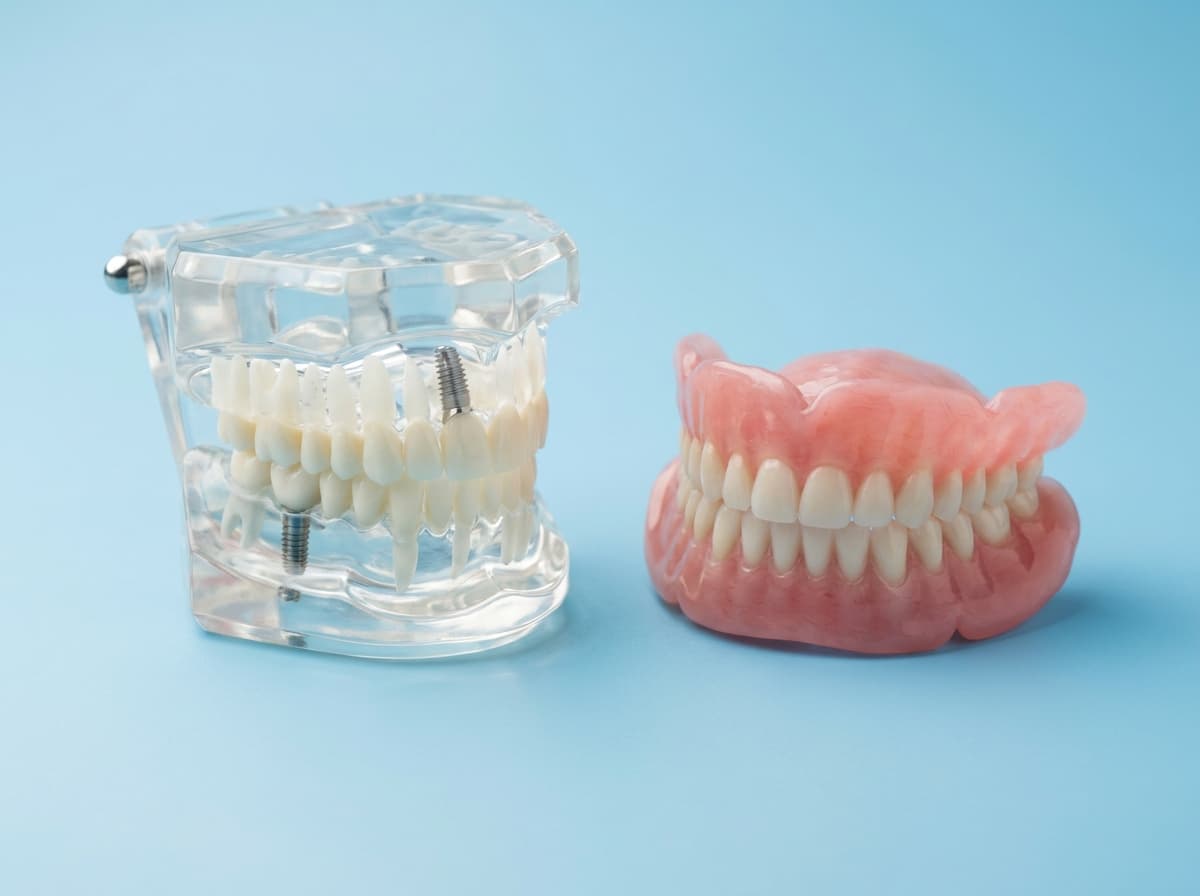
Dental Implants vs the Alternatives
Use this guide to compare the real trade-offs between implants, dentures, bridges and leaving a gap untreated. It focuses on stability, tooth preservation, maintenance, cost over time and which option usually fits which clinical situation.
Maintenance and longevity
Implant Aftercare and Living With Implants
Use this guide to understand what implant aftercare looks like after surgery and years later: cleaning tools, eating during healing, hygienist intervals, warning signs and the maintenance costs that keep implants healthy.

Risk and evidence
Implant Risks, Safety and Success
Use this guide to understand implant risk without scare tactics: what success rates mean, why implants fail early or late, which patient factors matter, and what a careful clinician does to reduce preventable complications.

Candidacy
Am I Suitable for Dental Implants?
Use this guide to understand how implant suitability is actually assessed: gum health, bone volume, age, smoking, diabetes, medications, pregnancy, bite force and whether grafting or a different option is needed.
Provider choice
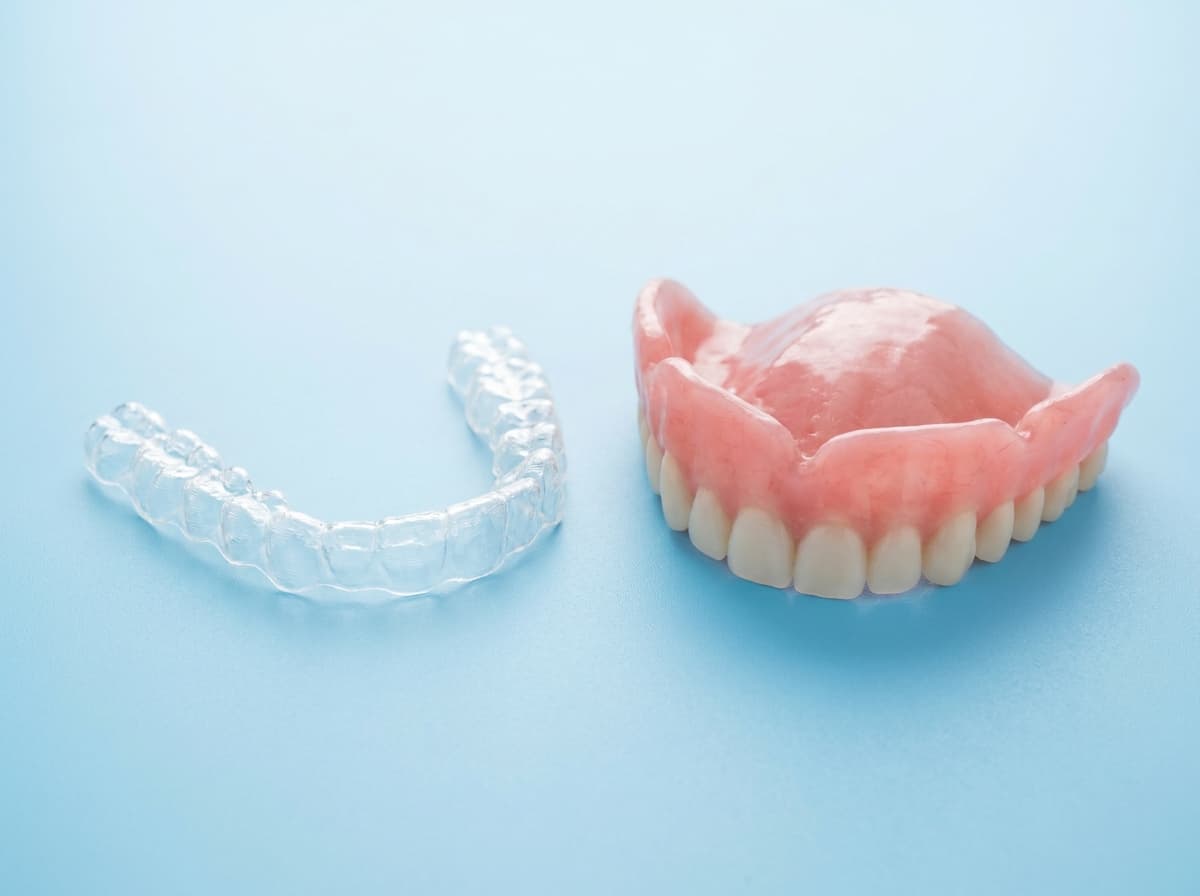
Choosing an Implant Dentist and Implants Abroad
Use this guide to choose an implant provider with evidence rather than sales pressure: registration, experience, written planning, quote clarity, aftercare access and the extra risks to weigh if you are considering treatment abroad.
Prefer to talk it through?
Free, independent matching to verified Essex implant clinicians. Tell us the case in ninety seconds.