Single-Tooth Implants in Essex
A single-tooth implant replaces one missing tooth with a titanium fixture placed in the jawbone, an abutment, and a custom crown. Treatment runs from three to six months end to end at most Essex clinicians on our matching panel.
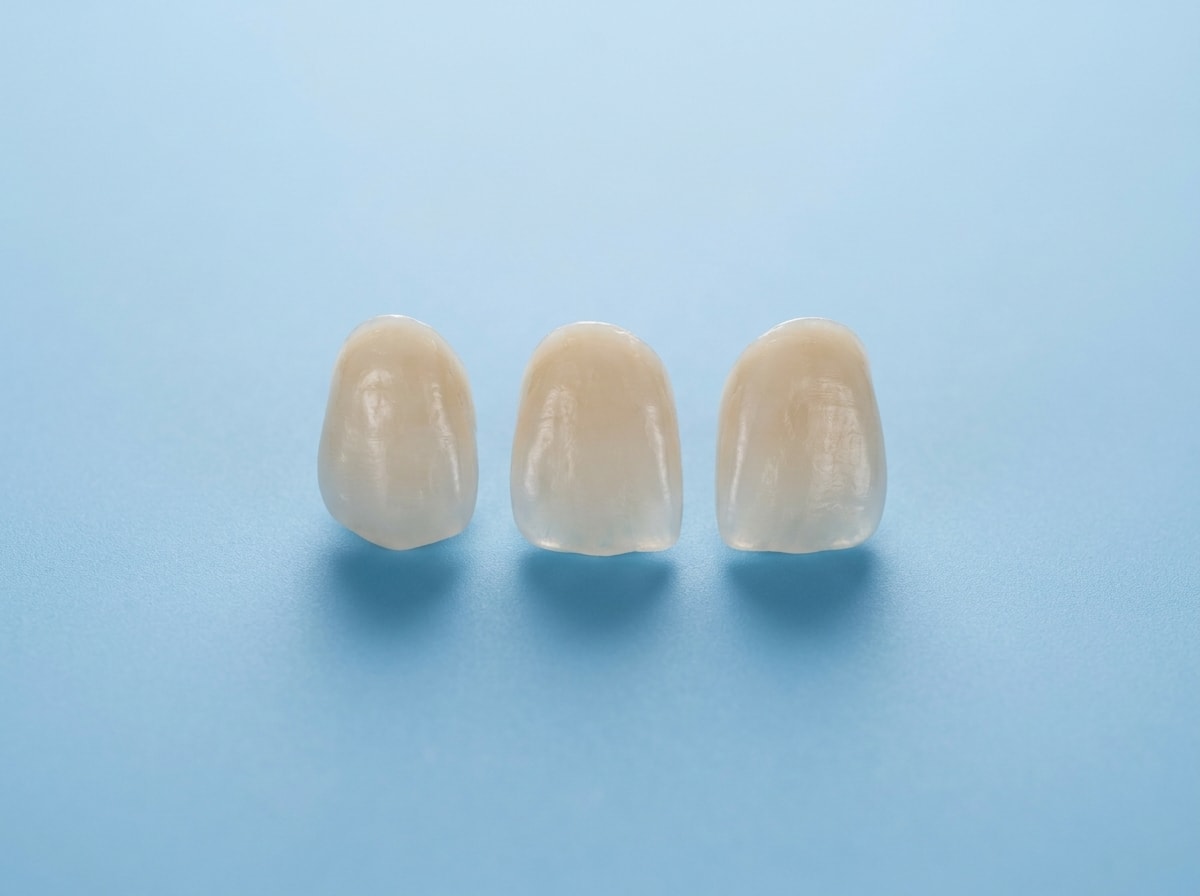
The clinical scope of single-tooth treatment
A single-tooth implant case begins with a clinical examination, a panoramic radiograph and usually a cone-beam CT scan to map bone volume around the planned implant site. The matched clinician confirms whether the site has adequate bone height and width, the proximity of the inferior alveolar nerve or maxillary sinus, and whether any pre-treatment is required.
Placement is a single chair-time appointment of around forty-five minutes under local anaesthetic. The titanium fixture is seated in the prepared osteotomy, and either a healing abutment or a temporary restoration is fitted depending on bone quality and primary stability. Osseointegration runs three to four months for most cases.
Restoration follows in two appointments: an impression or digital scan for the laboratory, then fit-and-cement of the definitive crown. The matched clinician will confirm whether the crown is screw-retained or cement-retained based on the angulation of the fixture and the position of the tooth in the arch.
Variations the matched clinician should flag at consultation
Single-tooth replacement in the upper front aesthetic zone is technically more demanding than a posterior single-tooth case. Soft-tissue management around the emerging crown determines whether the result looks like the patient's own tooth or like an obvious crown. Matching weights aesthetic-zone cases toward clinicians whose portfolios show the relevant soft-tissue work.
Sites with thin or resorbed bone may require simultaneous or staged grafting. Staged grafting adds three to six months to the timeline; we tell every enquirer where this is likely so the timeline expectation is honest.
Heavy bruxism shortens the lifespan of a single implant crown and increases screw-loosening risk. The matched clinician will assess bruxism habit and may recommend a night splint as part of the treatment plan.
Anonymised worked examples
Upper left lateral incisor after failed root canal, Chelmsford CM2
A patient in their late forties presented with a fractured upper left lateral incisor that had failed two prior root canal treatments. Bone volume was adequate at the proposed implant site. Treatment plan: extraction with simultaneous implant placement, healing for three months, then a screw-retained zirconia crown. Total fee at the matched clinician: £2,950 across all stages.
Lower right first molar, Colchester CO3
A patient in their mid-fifties presented with a missing lower right first molar following an extraction four years prior. CBCT showed mild ridge resorption but adequate height above the inferior alveolar nerve. Treatment plan: implant placement, three-month osseointegration, then a screw-retained ceramic crown. Total fee at the matched clinician: £2,600.
Upper canine, Brentwood CM14, staged grafting
A patient in their early sixties presented with a missing upper canine following a failed bridge. CBCT showed insufficient buccal bone. Treatment plan: bone grafting (£900), six-month healing, implant placement (£1,800), three-month osseointegration, screw-retained zirconia crown (£950). Total over twelve months: £3,650.
Examples are anonymised case sketches drawn from matched-clinician reports. Identifying details are removed; fees and timelines are representative.
What the Essex panel typically quotes
Single-tooth treatment across the Essex panel typically falls in the £2,200-£3,500 range for placement plus restoration with mainstream premium implant systems (Straumann, Nobel Biocare, Astra Tech).
Cheaper generic systems exist at £1,800-£2,200 inclusive. Where a clinician quotes inside this range, we ask them to be explicit in writing about which system, which abutment platform, and which restorative material so the comparison is honest.
Bone grafting where required typically adds £400-£1,200 depending on volume and graft material.
CBCT imaging is sometimes itemised separately at £180-£300, and sometimes included in the consultation fee. We ask matched clinicians for an itemised quote so this is explicit.
How implant care is regulated in the UK
Implant treatment in the UK is regulated by the General Dental Council under the Dentists Act 1984. Implant placement is not a recognised specialty in itself; the relevant specialist titles are oral surgery and prosthodontics. Many high-quality implant practitioners are general dentists with significant restricted-practice experience rather than holders of a specialist title; matched clinicians on the panel are confirmed GDC-registered with verifiable restricted-practice experience.
Essex towns with matched single-tooth clinicians
The matching panel covers the towns below. Each location page lists the postcode catchment, neighbourhoods covered, and the local NHS and council context.
Single-tooth questions answered
Common questions from Essex patients about this treatment, with specific figures where they apply.
Guides for this treatment
Cost and finance
Dental Implant Cost in Essex
Choosing a type
Types of Dental Implants
What to expect
The Dental Implant Process and Timeline
Foundation procedures
Bone Grafting and Sinus Lifts for Implants
Comparing options
Dental Implants vs the Alternatives
Maintenance and longevity
Implant Aftercare and Living With Implants
Risk and evidence
Implant Risks, Safety and Success
Candidacy
Am I Suitable for Dental Implants?
Provider choice
Choosing an Implant Dentist and Implants Abroad
Request a single-tooth introduction
We are an independent matching service. Free to the patient. We are not a clinic and do not provide treatment directly. The matched clinician quotes their own fees in writing.