Bone Grafting & Sinus Lifts in Essex
Bone grafting and sinus lifts rebuild jawbone volume where there is not enough bone for direct implant placement. Most matched Essex clinicians handle moderate grafting in-house as part of an implant plan; complex grafting may be staged or referred to a specialist.
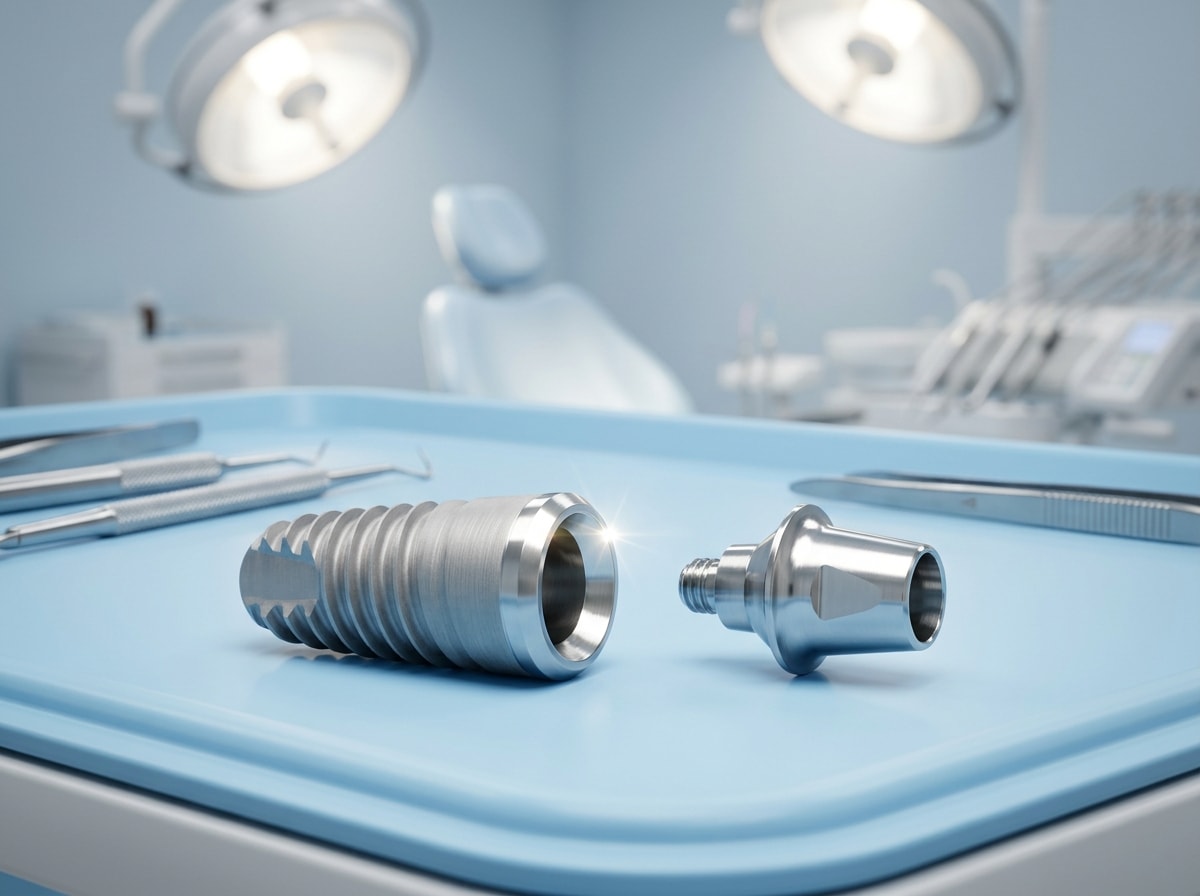
The clinical scope of bone grafting treatment
Bone grafting comes in two main shapes for implant patients. Socket preservation places graft material into an extraction socket on the day of extraction, preserving ridge volume for future placement. Ridge augmentation rebuilds an already resorbed ridge with block or particulate graft, healed for four to six months before implant placement.
Sinus lifts raise the floor of the maxillary sinus to create vertical bone height for upper posterior implants. The lateral window technique opens a hatch in the sinus wall through the cheek-side gum and packs graft material beneath the elevated sinus membrane. The crestal technique works upward through the implant osteotomy itself and is suited to smaller lifts.
Graft material is usually bovine-derived (Bio-Oss is the most common branded option) or synthetic. Patient preference on material origin is recorded on the matching call and only clinicians offering an alternative will be matched if synthetic-only is specified.
Variations the matched clinician should flag at consultation
Very advanced ridge resorption sometimes warrants zygomatic implants rather than block grafting. The clinical and financial calculus differs significantly; matched clinicians on the full-arch panel will explain both routes where they apply.
Patients on bisphosphonates or with a history of head-and-neck radiotherapy face elevated risk of medication-related osteonecrosis of the jaw during grafting procedures. We ask about medical history on the matching form and only match such cases to clinicians comfortable with the relevant pathway, which may include onward referral.
Smokers heal grafting procedures materially more slowly than non-smokers and have a higher failure rate. The matched clinician will explain this and may decline the procedure where the risk profile is too high.
Anonymised worked examples
Socket preservation at upper canine, Chelmsford CM2
A patient in their early fifties required extraction of an upper canine with a fractured root. Socket preservation graft was placed on the day of extraction. Four months later, the implant was placed into healed graft volume. Graft fee: £400. Total implant case fee: £3,100 inclusive of the graft.
Lateral-window sinus lift, Southend SS1
A patient in their mid-sixties presented with insufficient sinus floor height for two upper posterior implants. Lateral-window sinus lift was performed first. Six-month healing. Two implants placed and restored with screw-retained ceramic crowns. Sinus lift fee: £1,800. Total over twelve months: £8,200.
Block graft ahead of front-tooth implant, Brentwood CM14
A patient in their late forties presented with a long-standing missing upper-left central incisor and pronounced buccal-plate loss. Autogenous block graft was harvested from the chin and secured at the implant site. Six-month healing. Implant placement, three-month osseointegration, screw-retained zirconia crown. Block graft fee: £1,200. Total over twelve months: £4,800.
Examples are anonymised case sketches drawn from matched-clinician reports. Identifying details are removed; fees and timelines are representative.
What the Essex panel typically quotes
Socket preservation typically falls in the £200-£500 range as an add-on to extraction.
Ridge augmentation with particulate graft typically falls in the £400-£1,000 range depending on volume.
Block grafts (autogenous or allograft) typically fall in the £900-£1,800 range.
Sinus lift (crestal technique) typically falls in the £800-£1,200 range; lateral window typically £1,400-£2,500.
Some matched clinicians include moderate grafting in the headline implant fee; others itemise separately. Itemised quotes are standard practice on the panel.
How implant care is regulated in the UK
Bone grafting materials used in UK dentistry are regulated under the Medical Devices Regulations 2002 and equivalent post-Brexit instruments enforced by the Medicines and Healthcare products Regulatory Agency. The General Dental Council expects practitioners to use only properly licensed graft materials, and to record material provenance in patient records.
Essex towns with matched bone grafting clinicians
The matching panel covers the towns below. Each location page lists the postcode catchment, neighbourhoods covered, and the local NHS and council context.
Bone grafting questions answered
Common questions from Essex patients about this treatment, with specific figures where they apply.
Guides for this treatment
Cost and finance
Dental Implant Cost in Essex
Foundation procedures
Bone Grafting and Sinus Lifts for Implants
Whole-arch restoration
Full-Arch and All-on-4 Implants
Risk and evidence
Implant Risks, Safety and Success
Candidacy
Am I Suitable for Dental Implants?
Request a bone grafting introduction
We are an independent matching service. Free to the patient. We are not a clinic and do not provide treatment directly. The matched clinician quotes their own fees in writing.